Infinite Whiskey: A Timeless Design for Endless Enjoyment
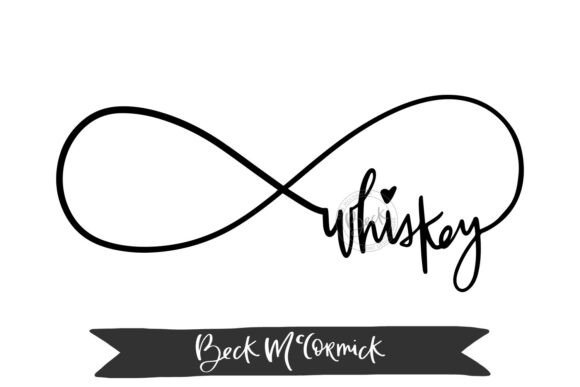
Raise a glass to the never-ending good times with this Infinite Whiskey digital design. It is more than just a graphic; it is a stylish tribute to the love of a fine spirit, blending a clean, monoline infinity symbol that flows seamlessly into a modern hand-lettered script. The inclusion of a tiny heart detail adds a touch of warmth and personality, making it an ideal choice for creating high-quality barware, trendy apparel, and unique gifts for the whiskey connoisseur or home bartender in your life. Whether you are looking to etch personalized decanters, print humorous T-shirts, or create man-cave wall art, this typography art offers a versatile foundation for your creative projects.
However, having access to a beautiful design file does not guarantee a professional result. Many creators, from hobbyists to small business owners, overlook critical details during the selection, preparation, and application phases. These oversights can lead to wasted materials, poor print quality, or a final product that lacks the sophistication the original artwork intends to convey. To ensure your project succeeds, it is essential to understand the nuances of working with vector and raster files, choosing the right application method, and evaluating the design's scalability before you commit to production.
Understanding the Value of Vector Precision
The Infinite Whiskey design is provided in multiple formats, including SVG, DXF, AI, and PDF. These are scalable vector files, which means they can be resized without losing quality. This is a crucial distinction that many beginners miss. A common mistake is relying solely on the PNG version for projects that require scaling, such as large-format wall art or oversized hoodies. While the included PNG is high-resolution at 300 DPI with a transparent background, it has a fixed pixel dimension. If you stretch a raster image beyond its native resolution, the edges become jagged and pixelated, ruining the clean lines of the monoline infinity symbol and the legibility of the hand-lettered script.
To avoid this, always use the vector formats (SVG, DXF, AI) when you need to resize the design significantly. For example, if you are planning to create a large vinyl decal for a mirror or a sign for a bar cart, the vector file ensures that the curves remain smooth and the text remains crisp regardless of the size. When using cutting machines like Cricut or Silhouette, the DXF and SVG files allow for precision cuts that follow the exact path of the lettering, ensuring that the tiny heart detail is not lost or distorted during the weeding process.
Matching the File Format to Your Application
Choosing the wrong file format for your specific manufacturing method is another frequent error that affects efficiency and cost. Each format serves a distinct purpose, and using them interchangeably can lead to compatibility issues or unnecessary workflow complications.
- For Cutting Machines: Use the SVG or DXF files. These are optimized for precision-cutting software. Attempting to use a PNG for cutting often requires tracing, which can introduce errors in the line weight and spacing of the script.
- For Sublimation and DTG Printing: The PNG file is ideal here because it includes the necessary color data and transparency required for direct-to-garment or sublimation printers. Ensure your printer settings match the 300 DPI requirement to maintain sharpness on fabrics like T-shirts and aprons.
- For Professional Printing and Resizing: Utilize the PDF or AI files. These are best for offset printing or when working with professional designers who need to manipulate layers or adjust colors for brand consistency.
Misunderstanding these distinctions can result in a workflow where you spend extra time converting files or, worse, producing a batch of products that look unprofessional. For instance, sending a low-resolution PNG to a large-format printer for a distillery-tour hoodie will result in a blurry logo that fails to communicate the premium quality associated with whiskey culture.
Design Placement and Material Considerations
Beyond file formats, the physical application of the Infinite Whiskey design requires careful thought regarding material and placement. The design features a flowing monoline style, which looks elegant but can be delicate on certain surfaces. A common oversight is applying intricate script designs to textured fabrics or uneven glass surfaces without considering how the texture interacts with the ink or etching.
When creating etched whiskey glasses or personalized decanters, the depth of the etch must be calibrated to the thickness of the monoline. If the etching is too deep, the thin lines may break or appear muddy. Conversely, if it is too shallow, the design may be invisible until light hits it at a specific angle. Always test your settings on a scrap piece of the same material before committing to a full run. Similarly, when printing on apparel, consider the fabric blend. Darker fabrics often require a white underbase for the script to pop, while lighter fabrics allow the design to breathe naturally.
The tiny heart detail in the script is a charming feature, but it is also the most vulnerable element to distortion. On curved surfaces like bottles or mugs, ensure that the design is placed in a flat area to prevent stretching. If the heart is stretched across a curve, it loses its shape and emotional impact. Strategic placement ensures that every element, from the infinity loop to the heart, contributes to the overall aesthetic appeal.
Evaluating Quality Before Production
Before downloading or purchasing any digital design, take the time to evaluate the preview images and file specifications. Do not assume that all "high-resolution" claims are equal. Check the actual dimensions of the PNG file and verify that the vector files contain editable paths rather than flattened images. A well-structured vector file allows you to separate elements if needed—for example, isolating the text for a different color scheme while keeping the infinity symbol black.
Additionally, consider the context in which the design will be used. Is it for a personal gift or a commercial product? If you are launching a line of custom coasters or bar cart signage, ensure that the license agreement permits commercial use. Using a design commercially without the proper rights can lead to legal issues and reputational damage. Always read the terms of service carefully to understand what you can and cannot do with the Infinite Whiskey artwork.
Final Thoughts on Creating Memorable Products
The Infinite Whiskey design offers a sophisticated way to celebrate the joy of spirits, but its potential is only realized through careful execution. By selecting the correct file format for your tools, understanding the limitations of different materials, and paying attention to the details of placement and scale, you can avoid common pitfalls and produce high-quality results. Whether you are crafting a heartfelt gift for a friend or building a brand around your home bar, taking these practical steps ensures that your final product reflects the elegance and enduring spirit of the design itself. With the right approach, this typography art becomes more than just a graphic; it becomes a lasting memory for every sip enjoyed.