Multi–layered Panel- 3D Paper Cut Art: A Strategic Approach to Depth and Meaning
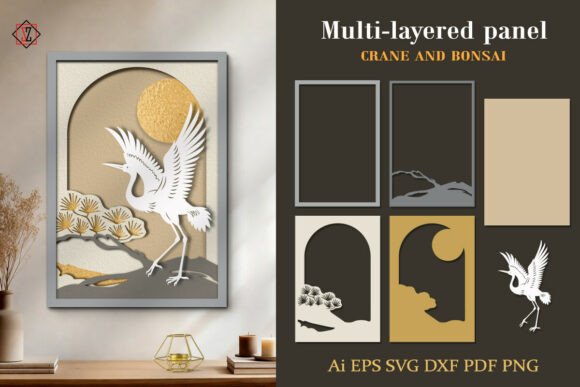
In the realm of visual communication and interior design, the Multi–layered Panel- 3D Paper Cut Art represents more than a decorative trend; it is a deliberate method of creating depth, narrative, and atmosphere through precision. Unlike flat imagery, this art form utilizes distinct layers of material to construct a tangible sense of space. For entrepreneurs, designers, and creators seeking to elevate their brand presence or curate specific environments, understanding the mechanics and strategic application of these panels is essential. The specific composition featuring a crane, bonsai, mountains, and a golden moon offers a profound case study in how minimalism can convey complex themes of tranquility and wisdom.
The strategic value of Multi–layered Panel- 3D Paper Cut Art lies in its ability to command attention without overwhelming the senses. In an era of digital saturation, physical artifacts that require manual assembly and offer tactile engagement stand out. When applied correctly, these panels serve as focal points that anchor a room or a brand identity in values of patience, harmony, and longevity. However, achieving these results requires moving beyond random decoration to intentional design planning.
The Mechanics of Depth: From File to Finished Piece
To utilize Multi–layered Panel- 3D Paper Cut Art effectively, one must first understand its construction. This is not a single image but a composite system where each layer functions as an independent element. Whether you are cutting manually or utilizing a cutting plotter, the process demands precision. The available file formats—AI, EPS, SVG, DXF, PDF, and high-resolution PNG with transparent backgrounds at 300 dpi—are engineered for versatility. This technical flexibility allows professionals to scale the artwork from small personal gifts to large-scale installation pieces without losing definition.
The assembly phase is where the strategy truly manifests. Using volumetric adhesive tape to stack the layers creates the signature 3D effect. This technique separates the foreground (the crane and bonsai) from the mid-ground (mountains) and the background (the moon), mimicking the atmospheric perspective found in traditional Japanese ink wash paintings. For decision-makers in marketing or event planning, this layered approach mirrors the concept of building a brand story: distinct elements working together to create a cohesive, three-dimensional impression on the audience.
Symbolism as a Strategic Communication Tool
Every element in the Crane and Bonsai panel carries specific symbolic weight, making it a powerful tool for non-verbal communication. When selecting decor for a meditation center, a corporate office, or a wedding venue, the choice of imagery should align with the desired psychological outcome.
- The Bonsai: Represents patience, harmony, and the relentless striving for perfection. In a business context, displaying this symbol can subtly communicate a company's commitment to long-term growth and meticulous craftsmanship.
- The Crane: A universal emblem of longevity, happiness, and luck. For wedding decor or retirement gifts, the crane serves as a potent wish for enduring joy and success.
- The Moon: Signifies tranquility, inner peace, and enlightenment. Placing this element in a bedroom or yoga studio reinforces the space's purpose as a sanctuary for rest and mental clarity.
Strategically, this means the Multi–layered Panel- 3D Paper Cut Art is not merely "wall art." It is a curated message. By choosing this specific composition, you are signaling an alignment with Wabi-Sabi aesthetics and Zen philosophy. This resonates deeply with audiences aged 20–50 who value mindfulness and authenticity over ostentatious displays.
Material Selection and Quality Control
A critical aspect of executing this project successfully is the selection of materials. The structural integrity of the final piece depends entirely on the substrate used. Relying on standard printer paper will result in a flimsy product that fails to capture the premium quality inherent in the design.
For optimal results, use thick paper, cardboard ranging from 200 to 300 g/m², or other dense materials. This density provides the necessary stability to support the volumetric adhesive tape without warping. Furthermore, consider the texture of the material. Textured paper adds an extra dimension of depth, enhancing the "handmade" feel that distinguishes this art from mass-produced plastic decor. A strategic tip for elevating the piece is to replace the standard white or grey moon layer with gold or silver paper. This metallic contrast immediately signals luxury and realism, transforming the panel into a statement piece suitable for high-end interiors or exclusive events.
Integrating into Japandi and Minimalist Environments
The aesthetic versatility of Multi–layered Panel- 3D Paper Cut Art makes it ideal for interiors styled in Japandi, Wabi-Sabi, minimalism, and Zen. These design philosophies share a common goal: reducing clutter to highlight essential forms and textures. The silhouette of the crane against the mountains fits seamlessly into these spaces because it adheres to the principle of "less is more."
When planning an interior layout, consider the lighting. The shadows cast by the multiple layers change throughout the day, creating a dynamic visual experience that static wall art cannot match. In a living room or bedroom, this interplay of light and shadow promotes a calming atmosphere, directly supporting the goal of creating a restorative environment. For small business owners operating co-working spaces or wellness clinics, installing such panels can significantly enhance the customer experience, making visitors feel grounded and focused upon entry.
Risks of Unintentional Implementation
While the potential for impact is high, there are risks associated with using Multi–layered Panel- 3D Paper Cut Art without clear goals. One common pitfall is treating the artwork as a generic filler rather than a strategic asset. If the symbolism of the crane and bonsai conflicts with the surrounding environment—for instance, placing a serene Zen piece in a chaotic, neon-lit gaming lounge—the cognitive dissonance can undermine the intended effect.
Additionally, underestimating the assembly requirements can lead to poor execution. Rushing the cutting process or using insufficient adhesive can result in layers detaching or appearing uneven. This lack of finish detracts from the perceived value and can damage a brand's reputation for quality. Always prioritize precision in the cut and assembly phases. The effort invested in the physical creation of the piece must match the sophistication of the design files provided.
Planning for Long-Term Value
To maximize the return on investment for this type of art, view it as a long-term asset rather than a temporary decoration. The durability of the 200-300 g/m² cardboard ensures that the piece remains stable for years, making it a cost-effective solution compared to fragile ceramics or expensive sculptures. For event planners, the ability to customize the color palette (such as swapping the moon for gold) allows for reuse across different themes while maintaining a consistent brand aesthetic.
Furthermore, the process of creating these panels can be a valuable team-building exercise or a unique workshop offering. Educators and facilitators can use the Multi–layered Panel- 3D Paper Cut Art kits to teach concepts of layering, spatial awareness, and cultural appreciation. The act of assembling the layers encourages mindfulness and focus, turning the production process itself into a meditative practice.
Decision-Making Framework for Creators
Before committing to a project involving Multi–layered Panel- 3D Paper Cut Art, ask the following strategic questions:
- What is the primary emotional goal? Are you aiming for tranquility, celebration, or professional gravitas? Ensure the symbolism matches the intent.
- Does the material quality reflect the brand? Will standard paper suffice, or does the context demand the premium look of textured cardstock and metallic accents?
- How will lighting interact with the layers? Plan the placement to ensure the shadows enhance the 3D effect rather than obscuring details.
- Is the assembly process scalable? If producing multiple units, do you have the workflow to maintain consistency in cutting and taping?
By answering these questions, you move from passive consumption to active curation. The Multi–layered Panel- 3D Paper Cut Art becomes a calculated decision that supports broader objectives, whether that is creating a peaceful home sanctuary, launching a mindful brand campaign, or delivering a memorable handmade gift.
Ultimately, the power of this art form lies in its synthesis of tradition and modern technology. The graceful silhouette of the crane and the refined bonsai, rendered through precise digital files and assembled by hand, bridge the gap between ancient wisdom and contemporary design. When approached with intention and executed with care, these panels offer a timeless addition to any space, fostering an atmosphere where harmony and creativity can flourish.